The store will not work correctly when cookies are disabled.
Our website uses cookies
We use cookies to make our site work smoothly, personalize your experience and help us improve our marketing efforts.
You can choose what you’re comfortable with and change your preferences any time. For more details see our cookie policy.
Necessary
These cookies are essential for our website to function. They handle things like secure login, shopping carts and caching to improve performance.
Preferences
These cookies enable the website to remember your settings, like language preference, and provide helpful features like our live chat system.
Statistics
We use cookies to count the number of visitors to our website and understand how they use it, so we can improve performance and experience.
Marketing
These cookies are set by our advertising partners and allow us to measure how well our ads are performing and help us improve our marketing.
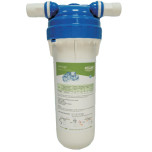
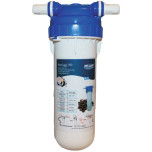
While we recommend that all appliances fitted to mains water supplies (mainly commercial dishwashers and glass washers) are installed and equipped with a water softener. The extent on which you will rely on your water softener to protect equipment, the frequency at which you are required to regenerate your water softener and the size of water softener you need will largely depend on whether you live in a hard water area or not.
Effects of Hard water
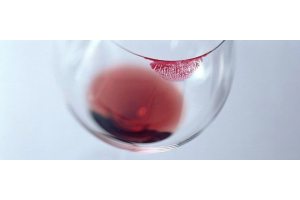
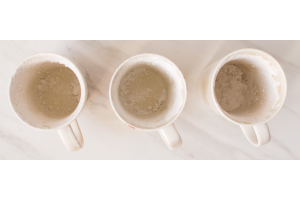
Hard water areas are areas of the country that are prone to limescale, usually noticeable by a build-up of white stuff around taps and elements in kettles. Using the same principle, you may notice lime-scale damage inside your ware washer if your water softener is not working correctly. Damage will likely be visible as white marks inside the machine cabinet or build up around the tank element.
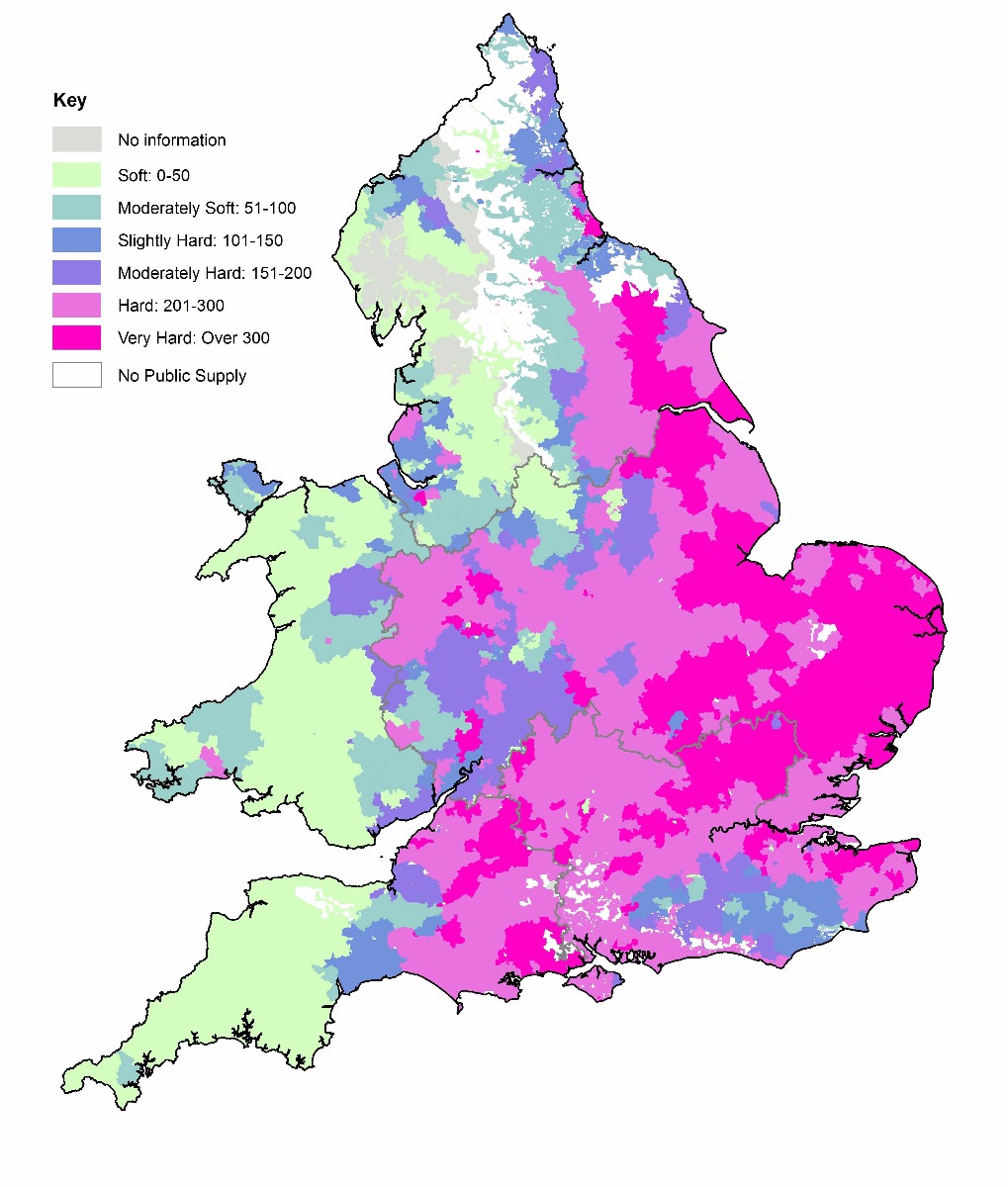
If you are not sure whether you live in a hard water area, then consult the diagram below: